
The cost-cap strain behind Haas’s 2026 situation
Week 28, 2026
Haas has become Formula 1’s budget-cap outlier, and the impact is already visible in 2026. Financial constraints are shaping what the team can do and how quickly it can respond.
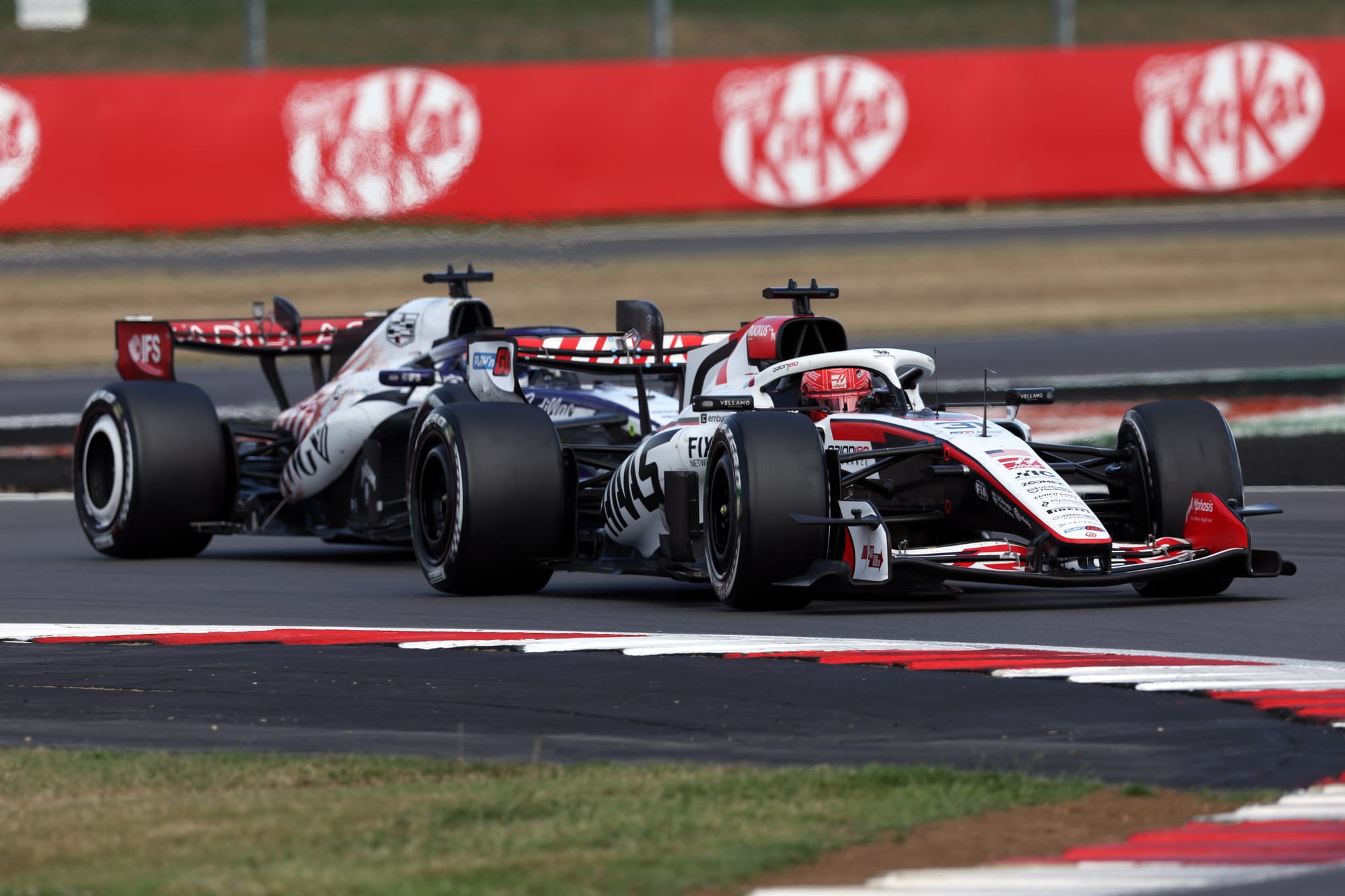
The Race’s assessment of Haas as Formula 1’s painful cost-cap outlier is the sort of off-track story that still lands squarely on the stopwatch. The headline point is simple: Haas is now operating as a budget-cap odd one out, and the consequences are visible in 2026. In a season where development remains relentless and the smallest technical gains can move a team several places, operating at a structural disadvantage is not a side note. It is part of the performance picture.
What makes this especially relevant is that budget-cap pressure rarely announces itself in one dramatic moment. It tends to show up in the accumulation of compromises: fewer upgrade opportunities, harder decisions on where to spend, and a narrower margin for responding when a development path disappoints. Over a season, that can become self-reinforcing. Teams that can afford to iterate learn faster; teams that cannot are forced to be more selective, and selectivity can easily become stagnation if the wrong bets are made.
For Haas, the problem is not just whether the car can be improved. It is whether the team can keep pace with rivals who are able to turn around issues more quickly or layer upgrades more aggressively. In the 2026 era, where the entire grid is still chasing performance in a shifting technical landscape, budget-cap strain can limit both the scale and the speed of that response. The result is that a team may end up making the same decisions more cautiously than the teams around it, which in F1 can be just as damaging as a lack of raw speed.
The race impact is obvious even if it is not always direct. A team under financial pressure may struggle to bring enough new material to keep up with midfield rivals. It may also be forced to prioritise reliability or raceability over outright performance, which can leave it vulnerable on weekends where the field is tightly packed. That helps explain why budget-cap stories belong in a weekly edition alongside practice analysis and penalties: they shape what the team can realistically ask of its drivers and engineers.
Subscribe to continue reading the full story.
Unlock access